
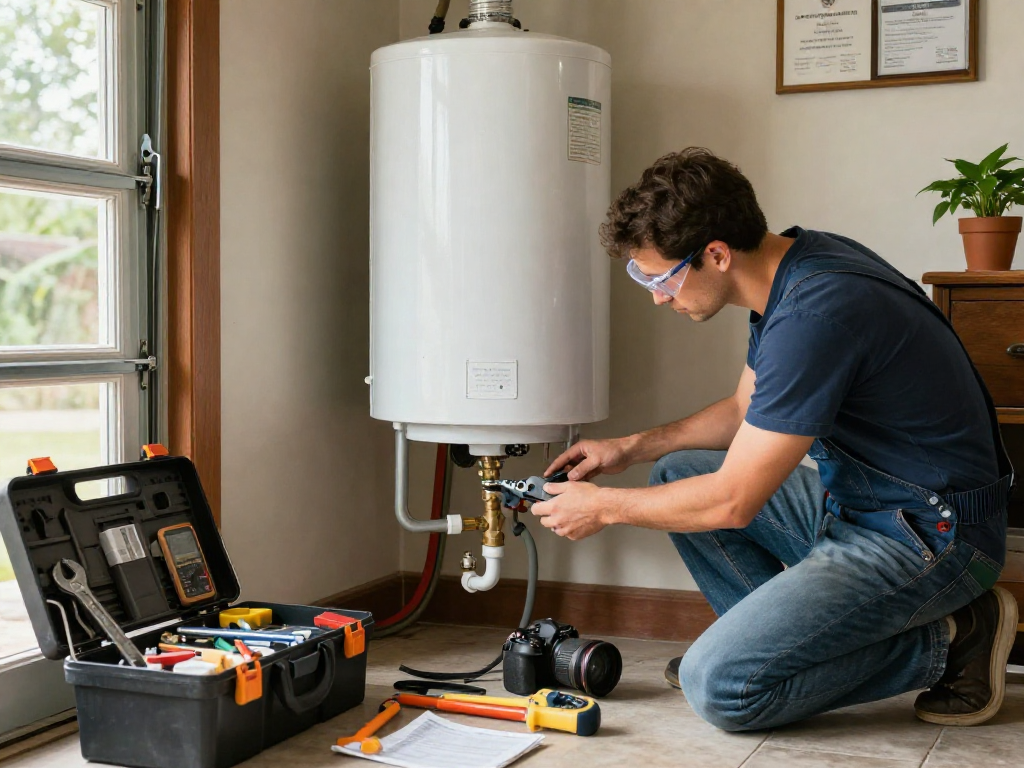
Understanding Your Water Heater: Types and Functions
Water heaters are essential appliances in any household, providing the hot water we often take for granted. Understanding the different types of water heaters and their functions can help you make informed decisions about your home's plumbing systems. In Fort Worth, where fluctuating temperatures can affect water heating needs, knowing the right system for your household can save you time and money. When exploring options, water heater repair Fort Worth provides comprehensive insights into the local services available to maintain and repair these vital systems.
What are the Different Types of Water Heaters?
- Tank Water Heaters: These are the most common type, storing a specific volume of hot water in a tank, typically ranging from 20 to 80 gallons.
- Tankless Water Heaters: Also known as on-demand water heaters, these systems heat water directly without the use of a storage tank. This makes them energy-efficient as they only heat water as needed.
- Heat Pump Water Heaters: These units utilize electricity to move heat from one place to another instead of generating heat directly. They can be highly energy-efficient but require more space.
- Solar Water Heaters: Utilizing solar panels to heat water, these systems can drastically reduce energy bills but depend on weather conditions and sunlight availability.
How Does Each Type Function?
Each water heater type operates differently based on its design and intended application:
- Tank Water Heaters: Cold water fills the tank, where it is heated by either gas or electric elements. The heated water is then stored until needed.
- Tankless Water Heaters: These devices heat water as it flows through, using either gas or electricity, ensuring an endless supply of hot water.
- Heat Pump Water Heaters: These systems draw heat from the surrounding air or ground and transfer it to the water, making them highly energy efficient.
- Solar Water Heaters: Solar collectors capture sunlight and convert it into heat, which is used directly to warm the water in a storage tank.
Common Features to Look For in 2026
As technology advances, water heaters are becoming more efficient and user-friendly. Here are some features to consider:
- Energy Efficiency Ratings: Look for systems with high Energy Factor (EF) ratings, which indicate better efficiency.
- Smart Technology: Many new models come with Wi-Fi connectivity, allowing homeowners to control settings via smartphones.
- Self-Cleaning Options: To reduce maintenance needs, some units now include auto-flush features that help eliminate sediment buildup.
- Hybrid Models: Combining multiple technologies (e.g., heat pump and traditional electric) for enhanced efficiency and performance.
Signs You Need Water Heater Repair
It’s crucial to recognize when your water heater may require professional attention. Delaying repairs can lead to more significant issues, including water damage or inefficient heating. Knowing the signs can help you troubleshoot before it becomes an emergency.
Identifying Common Symptoms of Malfunction
Here are the most common indicators that your water heater might need repairs:
- No Hot Water: If you find yourself in a cold shower, your water heater may not be functioning properly.
- Strange Noises: Banging or popping sounds can indicate sediment buildup, requiring a flush.
- Leaking Water: Any signs of leakage around the unit can suggest a failing tank or connections that need attention.
- Discolored Water: Rusty or cloudy water can indicate corrosion within the tank.
- Foul Odors: A rotten egg smell could signal bacteria growth in your water heater.
When to Call a Professional for Water Heater Repair Fort Worth
Some issues can be resolved with DIY troubleshooting, but certain situations warrant professional help:
- Persistent leaks that don’t respond to minor repairs
- Unusual noises that continue after flushing
- Corrosion or rust visible on the tank
- Water temperature fluctuating unexpectedly
- Rapidly rising utility bills without explanation
DIY Troubleshooting Steps Before Calling for Help
If you're comfortable exploring minor issues, here are some steps you can take:
- Check the Power Supply: Ensure your heater is receiving power if it's electric, or check the gas line if it's gas-operated.
- Inspect the Thermostat: Make sure the thermostat settings are correct.
- Flush the Tank: Address sediment buildup by flushing the tank regularly.
- Examine Valves and Connections: Look for loose connections and tighten them as necessary.
The Water Heater Repair Process Explained
Understanding the repair process can help demystify what happens when you call in a professional plumber. This knowledge not only helps you feel more informed but also aids in understanding the potential costs involved.
Step-by-Step Guide to Common Repairs
Here is an overview of typical repair procedures:
- Assessment: The technician will first assess the issue to identify the root cause.
- Diagnosis: After assessment, they will perform tests (e.g., checking the thermostat, heating elements) to pinpoint the problem.
- Repair: Depending on the diagnosis, repairs may include replacing elements, fixing leaks, or flushing sediment.
- Testing: Post-repair, the technician will test the unit to ensure everything is functioning correctly.
Tools and Materials Needed for Repairs
Common tools and materials used in water heater repairs include:
- Screwdrivers and wrenches
- Plumber's tape
- Replacement heating elements or thermostats
- Buckets for draining
- Safety gear such as goggles and gloves
Safety Precautions to Take During Repairs
Safety should always be a priority. Here are some important precautions:
- Turn off the power supply to avoid electric shock.
- Ensure proper ventilation when working with gas units.
- Be aware of hot water levels to prevent burns.
- Use protective equipment, especially when dealing with leaks or corrosion.
Cost Factors for Water Heater Repair in Fort Worth
The costs associated with water heater repairs can vary significantly based on several factors, including the type of repair needed and the specifics of your unit.
Understanding Labor vs. Parts Costs
The total cost of repair generally consists of two components:
- Labor Costs: This can vary based on the technician’s experience and the complexity of the job.
- Parts Costs: Replacement parts can be affordable or costly, depending on your specific water heater model and the parts needed.
How to Get Accurate Quotes from Professionals
To ensure you're getting a fair price, consider the following tips:
- Request quotes from multiple local plumbing services.
- Inquire whether the quote includes both parts and labor.
- Ask for an itemized estimate to understand where your money is going.
Cost-Saving Tips for Homeowners
Homeowners can save money on repairs by:
- Scheduling regular maintenance checks to avoid major repairs.
- Investing in a tankless system if your household requires on-demand hot water.
- Insulating your water heater to improve efficiency and lower operational costs.
Future Trends in Water Heater Technology
As we look towards 2026 and beyond, it’s essential to stay informed about emerging technologies that can enhance water heating efficiency and sustainability.
Emerging Technologies in Water Heater Design
Manufacturers are innovating with designs that include:
- Advanced heat pump systems for even greater efficiency.
- Hybrid models that combine traditional methods with modern technologies.
- Integration of renewable energy sources to power water heaters.
Energy Efficiency Standards for 2026
New energy efficiency regulations are expected to require higher standards, pushing manufacturers to improve their designs to meet consumer demand for lower energy bills and greater environmental responsibility.
Smart Water Heaters: What to Expect
Smart technology is making its way into water heating systems, promising features like:
- Remote monitoring and control through mobile apps.
- Automated alerts for maintenance needs or leaks.
- Integration with smart home systems for enhanced energy management.
What are the most common water heater problems?
Some of the most prevalent water heater issues include lack of hot water, strange noises, and leaks. Understanding these problems allows homeowners to act promptly before they escalate.
How can I maintain my water heater for longevity?
Regular maintenance, including flushing the tank and checking the anode rod, can significantly extend the life of your water heater. Following manufacturers’ guidelines and scheduling periodic professional inspections are key to optimal performance.
What signs indicate a need for immediate water heater repair?
Warning signs include any visible leaks, fluctuating water temperatures, or discolored water. If you experience these, it’s crucial to call a professional immediately to prevent further damage.
Can I perform water heater repairs myself?
While some minor issues can be managed by savvy homeowners, it’s advisable to seek professional help for significant repairs to ensure safety and proper functioning.
What is the average cost of water heater repair in Fort Worth?
The average cost can range widely depending on the issue but typically falls between $150 and $500, including both labor and parts. Being aware of average costs can help you budget effectively for potential repairs.